
Living Well Challenge Blog
Contact
University of Arkansas Division of Agriculture
Cooperative Extension Service, Clay County
148 E. Main
Piggott, AR 72454
What is it? Why would you do this?
Intermittent Fasting: Is it Right for You?
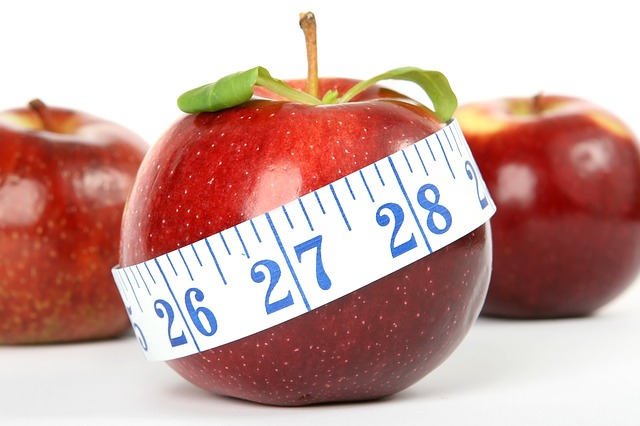
I want to lose weight. About 15 pounds. I don’t want to cut out any food groups or drastically restrict certain foods. I want an eating plan/system that will become a lifestyle not a diet. I want to avoid the “diet, cheat, repent, repeat” cycle. We all know the risks for being overweight: risk for cancer, cardiovascular disease, diabetes, and other chronic illnesses. So, of course I want to avoid all of that.
I began hearing about intermittent fasting about five years ago. It sounded like a reasonable eating plan. It does not restrict any foods and you don’t count calories or buy special foods for the plan to work. The idea is to eat nutrient dense foods within a certain time frame, and fast during specific hours.
Lasting weight management involves sustainable habits. Intermittent Fasting is not the magic bullet of weight loss. For me it is an eating plan that I can follow and fits my lifestyle. If losing weight and keeping it off were easy, people wouldn’t spend 60 billion annually on weight loss products and programs.
So, what is intermittent fasting?
Intermittent fasting is a method of weight loss that was popularized by British doctor Michael Mosley. Mosley’s premise is that fasting lowers insulin levels and fat storage. With calorie deprivation, the body is forced to use stored fat for energy, resulting in weight loss.
Mosley’s diet was followed by Kate Harrison’s book, The 5:2 Diet Book, which is based on her own experience. This was then followed by Dr. Jason Fung’s The Obesity Code.
There are 4 typical methods for intermittent fasting.
The 5:2 method involves 5 days of eating “normal” amounts of food, along with 2 days of drastically reduced calorie intake. How far reduced? 500 calories per day for women and 600 calories per day for men. The low-calorie “fasting” days should not be in a row and nutrient-dense food should be consumed, such as lean protein and vegetables.
Alternate day fasting is like 5:2 fasting, though the low-calorie days are repeated more frequently (every other day).
Time-restricted feeding involves fasting for a certain amount of time and eating meals during a specific window of the day. For example, some fasts are between 7 PM and 11 AM the following day, allowing 8 hours to eat and 16 hours to fast. This often works for individuals that aren’t hungry first thing in the morning. Diet composition is less important with this approach.
A 24-hour fast is a full day of fasting followed by a regular day of eating. It may also be called “eat, stop, eat.” Some people fast for 1 to 2 full days per week, but typically alternate this with regular food intake.
Does intermittent fasting help with weight management?
Yes, though it's not necessarily better than traditional weight loss methods. Twelve studies comparing intermittent fasting to traditional calorie restriction found about the same results. In 5 of the studies which included patients with type 2 diabetes, blood sugar control was improved. For me I know it is an eating plan I can stick to.
Are there other benefits to intermittent fasting?
Intermittent fasting has benefits beyond weight reduction. A recent review of clinical studies shows benefits of intermittent fasting for epilepsy, Alzheimer’s disease, and multiple sclerosis (MS). Future studies should investigate if these positive effects are still seen regardless of patient age or obesity status. Differences in fasting patterns, calorie intake, and consumption of specific nutrients may also impact the success of intermittent fasting. More research and longer trials with various methods of fasting are needed.
Is intermittent fasting right for you?
Overall, intermittent fasting is safe for most overweight or obese individuals.
It is not advised for pregnant women or persons experiencing eating disorders. Even people who are only at risk of developing an eating disorder should not intermittently fast. Finally, intermittent fasting is not advised for individuals with Type I Diabetes taking insulin due to risk of hypoglycemia.
If you’re considering fasting, do the following:
- Ask your doctor about its safety and appropriateness based on your medical history.
- Work with a registered dietitian or a nutrition educator to help plan nutrient-dense meals.
- Drink plenty of water to stay hydrated. Aim for 16 ounces of water per meal with 8-12 ounces between meals.
- Limit physical activity on the days your calorie intake is greatly reduced.
- Start with not eating after dinner.
- Pay attention to how you feel. Is this plan right for you?
The University of Arkansas System Division Of Agriculture offers all its Extension and Research programs to all eligible persons regardless of race, color, sex, gender identity, sexual orientation, national origin, religion, age, disability, marital or veteran status, genetic information, or any other legally protected status, is an Affirmative Action/Equal Opportunity Employer.